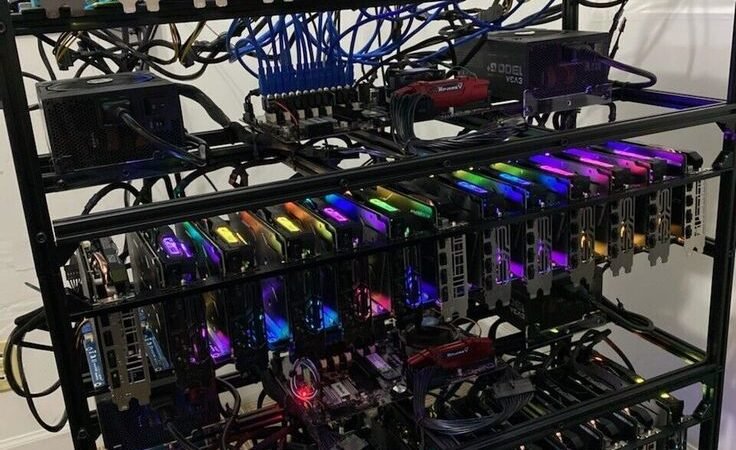
Understanding the challenges of home Bitcoin mining
For many people, the appeal of Bitcoin mining starts with the idea of earning digital currency through a bit of hardware and electricity. In practice, turning that idea into a sustainable activity at home introduces a number of headwinds. Electricity costs can rise quickly as you scale, and many households are not equipped to handle the noise and heat produced by modern ASIC miners. The technical steps—from wiring and cooling to firmware updates and maintenance—can also be intimidating for newcomers.
Even if you manage the setup, uptime is not guaranteed. Residential power supplies aren’t designed for continuous, high-load operation. Cooling solutions in a home environment are often inadequate, leading to thermal throttling, hardware wear, and more frequent repairs. And when something goes wrong, the responsibility falls on you, the owner, to diagnose and fix it.
In short, mining at home introduces a set of recurring challenges: high electricity costs, disruptive noise, excess heat, complex setup, ongoing maintenance, and the need for technical know-how. If any of these factors are not optimized, the result can be an otherwise exciting activity turning into a frustrating experience.
“Mining is a long game. Reliability and sustainability of your setup matter more than chasing peak hash rates.” — Industry Practitioner
What is Bitcoin Miner Hosting?
Bitcoin miner hosting is a service model that lets you participate in mining without managing the full stack of home-based infrastructure. In our hosted mining offering, you can purchase a miner from our shop and then place it in a professional facility that provides power, cooling, internet connectivity, security, and round‑the‑clock monitoring. You retain ownership of the hardware and the control over when to run or scale, while we take care of the operational backbone that makes mining possible at scale.
Key idea: hosted mining decouples the mining process from the hassles of a residential environment. It is not a guarantee of profits, and uptime depends on many variables. It is, however, a practical way to reduce common pain points while enabling you to participate in the Bitcoin network with greater predictability and less day‑to‑day complexity.
How hosted mining works
-
- You select a miner from our shop or bring your own hardware to host.
-
- We transport, rack, and connect the device in our controlled facility with professional power and cooling infrastructure.
-
- You gain access to remote management and monitoring dashboards to track performance and status.
-
- We handle ongoing maintenance, firmware updates, and hardware support as part of your hosting plan.
-
- We provide transparent, bundled pricing for power, cooling, and connectivity, without the drama of at‑home logistics.
If you want to explore the concept with more context, you can read more in our Hosted Mining overview and see how it aligns with your goals. If you’re ready to review hardware options, visit the Bitcoin Miner Shop.
Why hosted mining is a compelling option
Hosted mining addresses several persistent issues that come with home mining. Here are the core benefits, explained clearly and without hype:
-
- Electricity costs are managed, not guessed. In a hosted facility, power is delivered through a professional electrical system designed for continuous operation. The monthly hosting arrangement typically bundles power costs with cooling and maintenance, giving you a predictable expense model rather than unpredictable utility bills.
-
- Noise and heat are controlled. Professional facilities use optimized cooling and sound suppression, dramatically reducing noise disruption and heat in living or working spaces.
-
- Setup is simplified. You don’t need to wrestle with electrical wiring, network configuration, or firmware caveats. Our team handles the operational backbone while you focus on strategy and growth.
-
- Maintenance is managed by specialists. Hardware requires ongoing attention. Hosting provides access to technicians and routine maintenance without pulling you away from other priorities.
-
- Security and uptime considerations are central. Facilities invest in robust security, redundancy, and monitoring—elements that can be harder to replicate in a home setting.
It is important to note that hosted mining does not guarantee profits. Mining performance depends on electricity costs, hardware efficiency, Bitcoin price, mining difficulty, uptime, and other operational factors. This is why transparent planning and ongoing monitoring are essential to any hosting arrangement.
What you get with a hosted mining plan
When you opt for hosting, you gain access to a bundle of capabilities designed to simplify mining while preserving control over your hardware. The exact inclusions can vary by plan, but typical components include:
-
- Power provisioning and optimization. Stable electrical delivery with protection and metering to support continuous operation.
-
- Cooling and environmental management. Purpose-built cooling, airflow management, and temperature monitoring to maintain hardware health.
-
- Internet connectivity and remote access. Reliable network connectivity, remote dashboards, and alerting for status changes.
-
- Security and site access. Physical security controls, monitoring, and supervised access to the facility.
-
- Maintenance and firmware support. Routine hardware checks, firmware updates, and component replacements as needed.
-
- Transparent billing. Clear, predictable monthly costs that cover the essential services related to hosting.
If you’re unsure which plan fits your hardware or goals, our team can help assess options. You can learn more about our hosted offerings on the Hosted Mining page or talk to a team member via Contact.
Hosting vs owning: choosing the right path for you
There are two basic models people consider when they evaluate mining strategies:
-
- Own and host at home. You buy the hardware and house it yourself, handling all infrastructure, power, cooling, maintenance, and security. This gives you full control but also full responsibility.
- Host with a professional facility. You bring or buy a miner and let a specialized facility manage the infrastructure, support, and monitoring. This reduces many headaches but requires a hosting agreement and a service model designed for continuous operation.
Which path is right depends on your priorities. If you value convenience, predictability, and hands-off operation, hosted mining is a strong fit. If you enjoy tinkering, want maximum control over every variable, and are comfortable managing a home environment, home-based setup might be appealing. Either way, the supporting information below can help you compare options thoughtfully.
Practical considerations when starting with hosted mining
Before you commit to hosting, consider the following practical steps and questions. They can help ensure you choose a plan that aligns with your expectations and the hardware you own or intend to purchase.
-
- Inventory your hardware needs. Identify the miner model(s) you want to host. Different models have different power, heat, and space requirements. If you’re unsure, consult our team or explore our shop catalog for guidance.
- Assess compatibility. Some miners require specific power configurations or mounting arrangements. Confirm compatibility with the hosting facility’s infrastructure before purchase.
- Understand the pricing structure. Hosting typically includes power, cooling, network, and maintenance. Look for transparency in billed components and any service-level expectations.
- Plan for scalability. If you anticipate expanding your mining presence, discuss scalability options with the hosting provider to avoid bottlenecks or renegotiations later.
- Outline monitoring and notifications. Ensure the hosting setup provides real-time dashboards, alerts for anomalies, and accessible support channels.
Real-world scenarios: how different readers might use hosted mining
Below are practical, non-promotional scenarios to illustrate how hosted mining can fit various needs. These examples are meant to reflect typical considerations rather than guaranteed outcomes.
-
- New entrants exploring mining. A person curious about Bitcoin mining buys a single ASIC and hosts it to learn the ropes without committing to a high-home-power bill. They leverage the facility’s reliability while they study profitability and operating practices.
-
- Busy professionals seeking exposure to Bitcoin. A professional who wants simple exposure to mining without managing a data center at home uses a hosted plan to keep governance simple while maintaining ownership of the hardware.
-
- Small teams evaluating hardware iterations. A team tests newer model miners in a hosted environment to gauge efficiency and heat profiles before committing to a larger fleet.
Security, reliability, and governance in hosted mining
Security and reliability are central to any hosting arrangement. A well‑managed facility emphasizes physical security, network security, data privacy, and robust incident response. While no system can guarantee absolute uptime, reputable hosted mining providers pursue high availability through redundancy, proactive monitoring, and trained technicians who can respond quickly to anomalies. You will still participate in governance decisions, including when to scale, swap hardware, or adjust operating schedules.
“A professionally hosted miner is about predictable operations and responsible stewardship of your equipment. Reliability comes from disciplined processes, not hope.” — Hosting Specialist
Cost structure and budgeting for hosted mining
In hosted mining, costs are often bundled to reflect the comprehensive nature of care you receive. The exact numbers depend on the plan, location, and hardware, but you can expect to consider the following elements:
-
- Hardware ownership or lease terms. Decide whether you own the miner outright or participate in a funding/lease arrangement through the hosting provider.
-
- Monthly hosting fees. A transparent monthly fee typically covers power, cooling, site maintenance, internet connectivity, and ongoing upkeep.
-
- Maintenance and firmware support. Some plans include routine hands-on maintenance and updates; others may offer optional add‑ons.
-
- Scalability costs. If you scale your fleet, discuss incremental pricing and space/performance constraints up front.
Profits, ROI, and overall profitability are outside the scope of hosting guarantees. As you evaluate plans, consider electricity price trends, hardware efficiency, Bitcoin price movements, and network difficulty—factors that influence mining outcomes but are outside the control of a hosting provider.
Comparison: Home mining versus hosted mining
| Aspect | Home mining | Hosted mining |
|---|---|---|
| Electricity management | Owner pays and monitors individually | Bundled into hosting plan with professional delivery |
| Noise and heat | Impact on living/working spaces | Controlled in facility, minimal disruption |
| Setup complexity | Owner handles wiring, cooling, network, firmware | Operational backbone managed by provider |
| Maintenance burden | Owner responsibility | Provider handles maintenance and support |
| Security controls | Depends on home environment | Dedicated facility security measures |
| Upfront cost | Hardware purchase plus home setup | Hosting plan with ongoing fees |
Frequently asked questions
This section addresses common questions readers have about hosted mining and the decision to move away from home-based mining. If you’d like more detail, you can explore our FAQ or contact our team.
What is hosted mining and who is it for?
Hosted mining is a service model in which miners participate in the mining process by placing their hardware in a professional facility. It is particularly suitable for readers who want to reduce home electricity costs, limit noise and heat, simplify setup, and rely on specialists for day‑to‑day maintenance. It’s not a guarantee of profit, but it offers a more predictable operational environment for many users.
Do I own the hardware in hosted mining?
That depends on the plan you choose. In many cases, owners retain ownership of the mining hardware, while the hosting provider manages the infrastructure and operations. Some arrangements may allow leasing or financing options. Always verify ownership terms before purchase or enrollment.
How is uptime handled in a hosted setup?
Uptime in a hosted environment is supported by professional power, cooling, and monitoring. Facilities implement proactive alerts and rapid response protocols to minimize downtime. However, uptime is influenced by external factors such as hardware health and network conditions, so no promise of perfect uptime is offered.
What if I want to scale my operation later?
Scaling is a common use case for hosted mining. Providers typically offer scalable hosting plans or capacity to add more miners as your needs grow. Discuss your long-term goals with the team to design a plan that accommodates growth without disrupting operations.
How do I get started with hosted mining?
Start by selecting a miner from our shop or confirm the hardware you already own. Then, choose a hosting plan that fits your needs. We’ll handle the logistics, from placement in the facility to ongoing maintenance. For a guided start, you can contact our team or browse the Hosted Mining information for a detailed overview.
Conclusion
Bitcoin mining remains a field of opportunity for individuals who want exposure to the network without taking on the full burden of home-based infrastructure. Hosted mining provides a practical path for addressing the most common friction points—electricity costs, noise, heat, setup complexity, and ongoing maintenance—while preserving ownership and control over your hardware. It is not a universal solution for every situation, but it is a thoughtful option for readers seeking a more convenient and scalable way to participate in mining.
Next steps and practical guidance
If you’re considering hosted mining, start by reviewing our Hosted Mining overview to understand the service model, inclusions, and typical workflows. You can also browse Bitcoin miners to identify hardware that fits your plan, or use our Profitability Calculator to model scenarios with your own inputs. For personalized assistance, contact our team for a consultation. And if you’re early in your journey, our Mining Guides are a useful resource to build foundational knowledge.
Ready to explore hosted mining now? Learn more about hosted mining to see if it aligns with your goals, or start the process by browsing the shop and initiating a hosting inquiry.
Examples of how to proceed
-
- Explore the Hosted Mining page to understand the service scope and plan options.
- Review compatible miners in the Bitcoin Miner Shop to identify candidates.
- Use the Profitability Calculator to gauge potential outcomes under various inputs (electricity costs, difficulty trends, and Bitcoin price ideas).
- Contact the team for a tailored assessment and next steps via Contact.
As you consider your path, remember that mining performance depends on electricity costs, hardware efficiency, Bitcoin price, mining difficulty, uptime, and other operational factors. Hosting provides a practical framework for participating in mining with reduced day‑to‑day burdens.