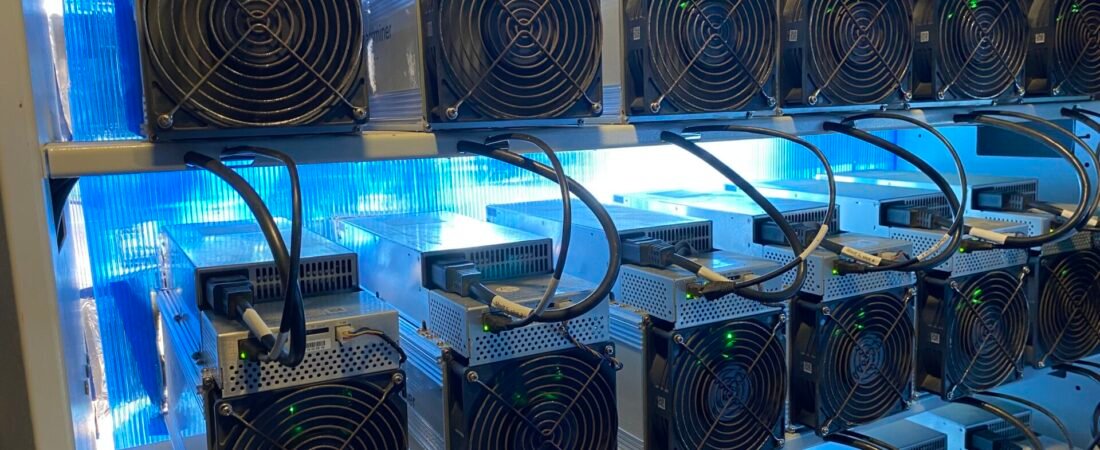
If you’ve ever wondered how new bitcoins actually come into existence, or why people are running powerful machines around the clock just to “mine” digital coins, you’re not alone. Bitcoin mining sounds complicated, but once you break it down, it’s actually a pretty logical process. In this guide, we’ll walk through exactly how bitcoin mining works, what it takes to mine bitcoin at home, and how you can get started with the right bitcoin miners for your goals.
What Is Bitcoin Mining, Really?
At its core, bitcoin mining is the process of adding new transactions to the Bitcoin blockchain while simultaneously creating new bitcoin. Miners use specialized computers — called bitcoin miners — to solve complex mathematical puzzles. The first miner to solve the puzzle gets to add the next “block” of transactions to the blockchain and is rewarded with newly minted bitcoin plus transaction fees.
Think of it like a global competition that happens every 10 minutes, 24/7, with computers all over the world racing to find the answer to a puzzle. Whoever solves it first wins the reward. That’s the entire foundation of how bitcoin mining works — competition, computation, and consensus.
Why Does Bitcoin Need Mining?
Bitcoin doesn’t have a central bank or authority controlling it. Instead, mining is what keeps the network secure, decentralized, and trustworthy. Every time a miner successfully adds a block, they’re confirming that all the transactions inside it are legitimate — no double-spending, no fraud. This is what makes Bitcoin one of the most secure financial networks in the world.
Mining also has a second purpose: it’s how new bitcoin enters circulation. Since there’s no printing press for Bitcoin, mining is the only way new coins are created — and that supply is capped at 21 million coins total.
The Mining Process, Step by Step
- Transactions are broadcast — When someone sends bitcoin, that transaction gets broadcast to the network and grouped with others into a “block.”
- Miners compete to solve a puzzle — Bitcoin miners use their processing power to repeatedly guess a number (called a nonce) until they find one that produces a valid hash for the block.
- The winning miner broadcasts the solution — Once a miner finds the answer, they share it with the network so other nodes can verify it.
- The block gets added — Once verified, the block is permanently added to the blockchain, and the miner receives the block reward.
- The cycle repeats — A new block starts roughly every 10 minutes, and the race begins again.
This process is known as Proof of Work, and it’s the backbone of Bitcoin’s security model.
What Equipment Do You Need to Mine Bitcoin?
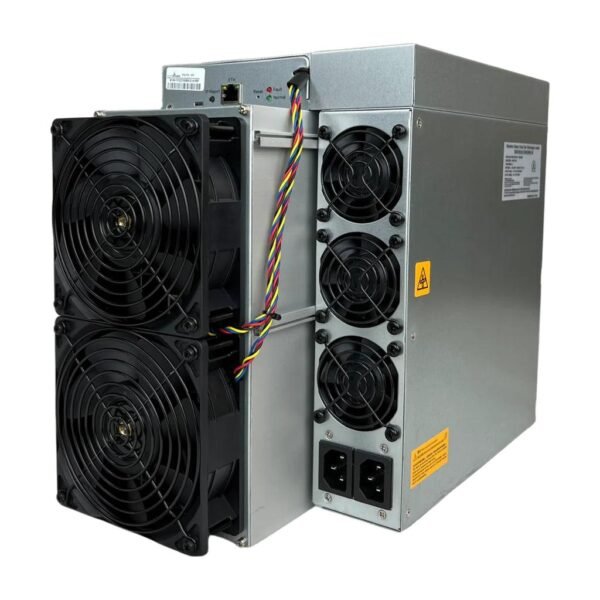
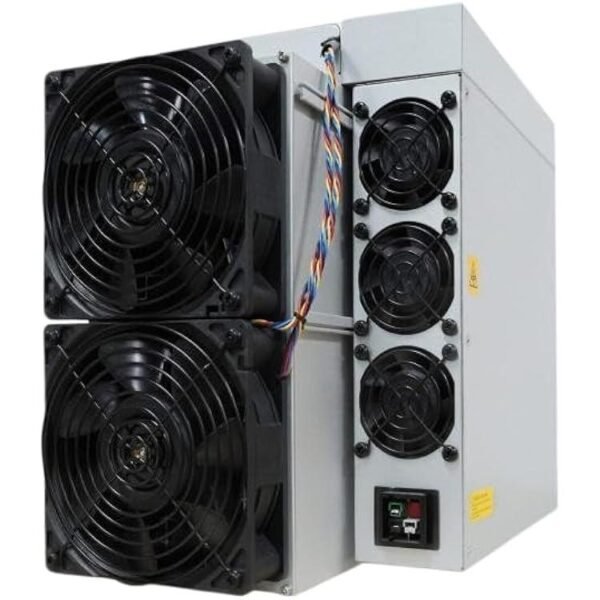
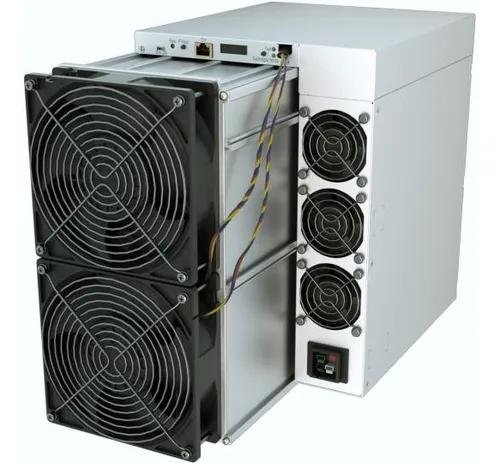
Back in Bitcoin’s early days, you could mine using a regular computer’s CPU. Those days are long gone. Today, competitive mining requires ASIC miners — Application-Specific Integrated Circuits built for one job only: mining bitcoin as efficiently as possible.
If you’re serious about getting into mining, here’s what matters most when you buy bitcoin miners:
- Hash rate — how many calculations per second the machine can perform (measured in TH/s)
- Power efficiency — how much electricity the miner uses per unit of hashing power (J/TH)
- Noise and heat output — important if you plan to mine bitcoin at home
- Upfront cost vs. expected return — factoring in electricity rates and current network difficulty
Choosing the right hardware is one of the biggest factors in whether mining is profitable for you, which is why picking quality bitcoin miners from a trusted source matters.
Can You Mine Bitcoin at Home?
Yes — but it takes some planning. Mining bitcoin at home is absolutely possible, and plenty of people do it successfully as a side income or long-term investment strategy. Here’s what to consider:
- Electricity costs: Mining profitability depends heavily on your local electricity rate. Lower rates mean better margins.
- Noise levels: ASIC miners are loud. Many home miners set up their machines in garages, basements, or insulated enclosures.
- Heat management: Miners generate significant heat, which some people even repurpose to heat their homes in colder climates.
- Joining a mining pool: Solo mining against large industrial farms is nearly impossible to win consistently. Joining a mining pool lets you combine your hash power with others and earn a proportional share of rewards more consistently.
With the right setup and a bit of research, mining bitcoin at home can be a rewarding way to participate directly in the Bitcoin network — rather than just holding it.
How to Mine Bitcoin: Getting Started
If you’re ready to get hands-on, here’s a simple roadmap for how to mine bitcoin:
- Set a budget — Decide how much you’re willing to invest in hardware and electricity.
- Buy bitcoin miners — Choose ASIC hardware that matches your budget, space, and power availability.
- Set up a wallet — You’ll need a secure bitcoin wallet to receive your mining rewards.
- Join a mining pool — This dramatically increases your chances of earning consistent rewards.
- Configure your miner — Connect it to your pool and monitor performance.
- Track profitability — Keep an eye on electricity costs, difficulty changes, and bitcoin’s price to know when your setup is performing well.
Is Bitcoin Mining Still Profitable?
This is the question everyone asks, and the honest answer is: it depends. Profitability comes down to three variables — the cost of your hardware, your electricity rate, and the current bitcoin price and network difficulty. Miners with access to cheap electricity and efficient, modern hardware tend to come out ahead, while outdated or inefficient machines struggle to keep up.
This is exactly why hardware selection is so important. Investing in efficient, reliable bitcoin miners from the start puts you in a much stronger position than trying to squeeze profit out of aging equipment.
Ready to Start Mining?
Bitcoin mining isn’t just for massive data centers anymore — with the right equipment and a clear strategy, everyday people are building their own home mining setups and earning bitcoin directly from the network they believe in.
If you’re ready to take the next step, explore our full lineup of bitcoin miners built for performance, efficiency, and reliability — whether you’re setting up your first home mining rig or scaling up an existing operation.
👉 Browse our Bitcoin Miners collection now and find the right hardware to start mining bitcoin today.
-
Antminer S19 Pro
Original price was: $7,200.00.$5,500.00Current price is: $5,500.00. -
Bitmain Antminer S19j Pro
Original price was: $2,500.00.$1,200.00Current price is: $1,200.00. -
Bitmain Antminer S21
Original price was: $8,500.00.$4,000.00Current price is: $4,000.00. -
Bitmain Antminer S21 Pro
Original price was: $6,500.00.$2,500.00Current price is: $2,500.00.
Have questions about which miner is right for your setup? Reach out to our team — we’re here to help you build a mining operation that actually pays off.